
Ferrous and Non Ferrous
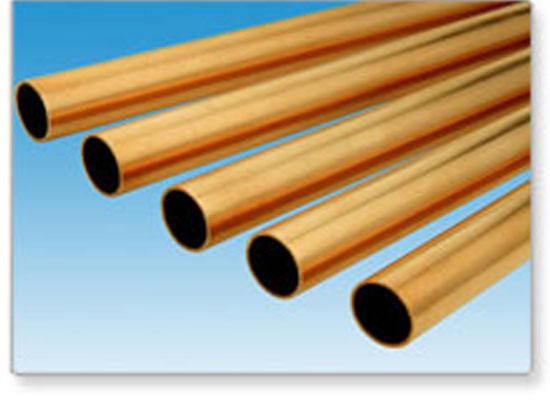
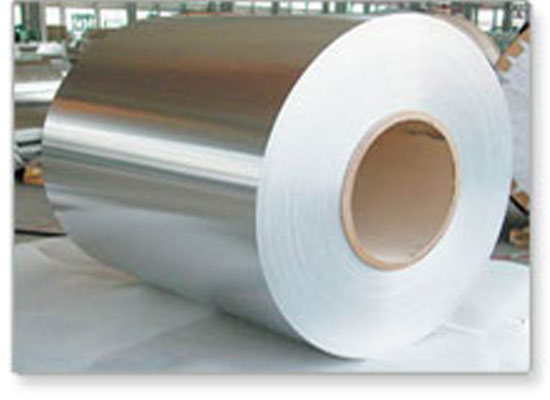
NON FERROUS METAL :
We are Importers, Exporters,
Stockist & Suppliers of Copper, Brass,
Aluminium, Bronze, Gunmetal, Zinc, Lead etc.
in form of Bar, Wire, PVC Coated Copper
Coil, Coils, Round, Sheets, Plates, Channel,
Angle, Pipes etc. for details please contact
us
Copper:
Electrolytic Copper, Electrolytic Tough Pitch
Copper, Deoxidised Copper, Aresenical
Phosphoresced Copper, General Purpose
Commercial Copper and High Conductivity
Copper
Forms :
Round Hexagonals, Squares, Rods, Tubes,
Sheets, Strips, Foils, Busbars, Plate,
Flats, Wire, Tubings, Sections & Bushes.
Brass:
Free Cutting Brass, Leading Brass, Foreign
Brass, Reviting Brass, Lead Free Brass,
Hightensile Brass, Neval Brass, Gilding
Brass, Red Brass, Low Brass, Catridge Brass,
Yellow Brass, Basis Brass & Muntz
Brass.
Forms :
Round Hexagonals, Squares, Rods, Tubes,
Sheets, Strips, Foils, Busbars, Plate,
Flats, Wire, Tubings, Sections & Bushes.
Aluminium:
Aluminium, Aluminium Bronze, Aluminium
Silicon Bronze, Manganeese Bronze,
Phospherous Bronze, Gunmetal.
Forms :
Round Hexagonals, Squares, Rods, Tubes,
Sheets, Strips, Foils, Busbars, Plate,
Flats, Wire, Tubings, Sections & Bushes.
Ferrous metals
Ferrous metals contain iron and are magnetic. They are prone to rust and therefore require a protective finish, which is sometimes used to improve the aesthetics of the product.
| Ferrous metal | Properties | Uses |
| Cast iron | Brittle if thin, can be cast in a mould, strong compression strength, good electrical and thermal conductivity but poor resistance to corrosion | Manhole covers, pans and gates, vices |
| High-carbon steel (tool steel) | Hard but brittle, less malleable than mild steel, good electrical and thermal conductivity | Taps and tools, eg screwdrivers and chisels |
| Low-carbon steel (mild steel) | Ductile and tough, easy to form, braze and weld, good electrical and thermal conductivity but poor resistance to corrosion | Nuts, bolts, screws, bike frames and car bodies |
Non-ferrous metals
Non-ferrous metals do not contain iron and are not magnetic. They do not rust.
| Non-ferrous metal | Properties | Uses |
| Aluminium | Light in weight and malleable but strong, a good conductor of heat and corrosion resistant | Drink cans, saucepans, bike frames |
| Copper | An excellent electrical conductor of heat and electricity, extremely malleable and can be polished, oxidises to a green colour | Plumbing fittings and electrical wires, professional chef’s saucepans |
| Silver | A precious metal that is soft and malleable when heated, highly resistant to corrosion and an excellent electrical conductor of heat | Jewellery |
Ferrous Metal Composition, Properties and Characteristics
| Name | Composition | Properties & Characteristics |
| Cast Iron | Alloy of iron and 2.5% carbon, 1-3% silicone and traces of magnesium, sulfur & phosphorus | Hard skin, soft underneath but brittle. It corrodes by rusting |
| Mild Steel | Alloy of iron and 0.15-0.3% carbon | Tough, ductile & malleable. Good tensile strength but poor resistance to corrosion |
| Medium Carbon Steel | Alloy of iron and 0.35-0.7% carbon | Strong, hard & tough with high tensile strength but less ductile than mild steel |
| HIgh Carbon Steel | Alloy of iron and 0.7-1.5% carbon | Even harder than medium carbon steel and more brittle. Can be heat treated to make it harder& tougher |
| Stainless Steel | Alloy of iron and carbon with 16%-26% chromium, 8-22% nickel & 8% magnesium | Hard and tough, resists wear & corrosion |
| High-Speed Steel | Alloy of iron and 0.35-0.7% carbon (medium carbon steel) tungsten, chromium, vanadium & sometimes cobalt. | Very hard, high abrasion & heat resistance |
Non Ferrous
|
Non-Ferrous Metals Overview |
|||
| Name | Composition | Properties | Uses |
| Aluminium | Pure Metal | Silver-White,
soft, malleable,
conductive to
heat and electricity, It is corrosion resistant. |
Foil,
wire, chemical uses.
Reflectors |
| Aluminium alloys- |
Copper, Manganese, etc | Ductile,
Malleable, Work
hardenable or
heat treatable. |
Aircraft
and vehicle parts.
Boats, window frames, packaging and insulation, pistons and cranks. |
| Copper | Pure metal | Red,
tough, ductile, High
electrical
conductor, corrosion resistant, Can work hard or cold. Needs frequent annealing. |
Electrical
wire, cables and
conductors, water
and central heating pipes and cylinders. Printed circuit boards, roofs. |
| Brass | 65% copper +35%zinc. | Very
corrosive, yellow in
colour, tarnishes
very easily. Harder than copper. Good electrical conductor. |
Castings, ornaments, valves, forgings. |
| Brass
– Gilding metal |
85% copper+15% zinc. |
Corrosion resistant, golden colour, enamels well. |
Beaten metalwork, jewellery. |
| Lead | Pure metal | The
heaviest common
metal. Soft,
malleable,
bright and shiny when new but quickly oxidizes to a dull grey. Resistant to corrosion. |
Protection
against X-Ray.
Paints, roof
coverings, flashings, sound deadening. |
| Zinc | Pure metal | A
layer of oxide
protects it from
corrosion, bluish-white, easily worked. |
Makes
brass. Coating for
steel
galvanized corrugated iron roofing, tanks, buckets, rust-proof paints |
| Zinc Alloys | Zinc | Lowest temperature pressure die casting alloys. Can be chrome plated. Lasts longer than mould for aluminium alloys. |
Door hardware, platable items, intricate castings (e.g. carburettor). Similar to Al but heavier. |
| Tin | Pure metal | White and soft, corrosion resistant. | Tinplate, making bronze. |
| Titanium | Alloyed | Roughly in-between Aluminium and Steel, but has the highest strength to weight ratio. Extreme corrosion resistance |
Jet engine fan blades, aerospace, high performance racing and sports equipment. Chemical resistance. |